PM Kusum Yojana, the biggest problem in agriculture has always been power. Sometimes they come at night, sometimes they don’t come at all. But today, things are changing rapidly for farmers in Rajasthan.
Under component C of the PM Kusum Yojana, the central government provided significant financial assistance to states to ensure that farmers not only have access to electricity throughout the day, but also become power producers themselves and earn an income.
PM Kusum Yojana: Rajasthan receives Rs 46.64 crore in central approval
Under the PM Kusum Yojana, the central government has approved central assistance of Rs 4,664 crore to Rajasthan in the first phase. This amount was allocated to solar energy projects installed in the solarisation of power lines.
Currently, there are 991 solar power projects installed in the state with a capacity of 2,462 megawatts. Claims worth Rs 233 crore have been submitted to the central government for these projects.
After a verification process, this assistance amount was approved by power distribution companies in Jaipur, Jodhpur and Ajmer.
Now, the central agency Solar Energy Corporation of India (SECI) will directly transfer this amount to the bank accounts of power producers who have installed solar power plants. This speeds up the payment process and increases project transparency.
KUSUM Component-C: Farmers become electricity producers
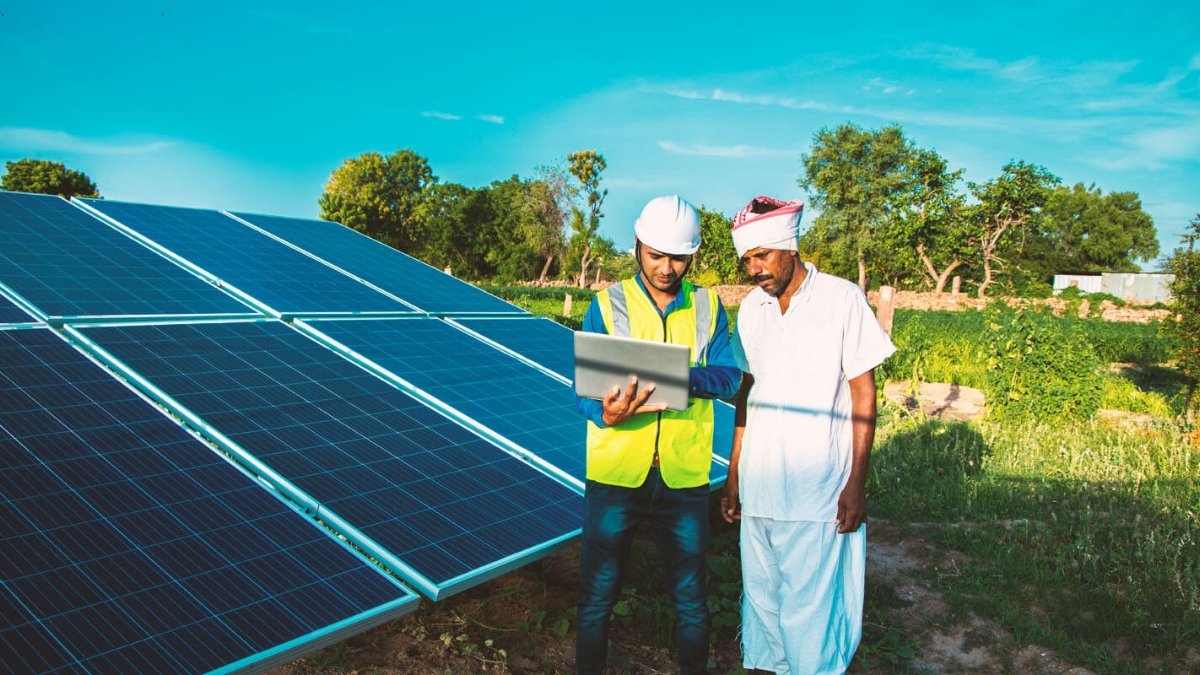
Component-C of the PM Kusum Yojana has brought about major changes for farmers. Under this scheme, farmers can install grid-connected solar power plants on their land. This ensures they have a reliable supply of electricity for agricultural activities throughout the day.
Additionally, farmers can earn a regular income by selling their excess electricity to the grid. This is why this scheme is considered a dual benefit scheme for farmers.
Thanks to solarisation at the power lines, 141,589 farmers now receive electricity throughout the day. This reduced reliance on diesel and significantly reduced irrigation costs. Main benefits of the PM-KUSUM program:
- Availability of electricity for farming during the day
- Relief from diesel and expensive electricity
- Farmers become solar energy producers
- Additional income from selling surplus electricity
- Environmentally friendly energy solution
- Improvement in rural power supply
PM Kusum Yojana Component-C: At a Glance
| Details | Figures |
|---|---|
| Approved Central Assistance | ₹46.64 Crore |
| Installed Solar Projects | 991 |
| Total Solar Capacity | 2,462 MW |
| Beneficiary Farmers | 141,589 |
| Year-end Target Capacity | 5,018 MW |
| Proposed Solar Plants | 1,997 |
| Target Farmers | 362,197 |
Future Plans: Targeting over 5000 MW of Solar Capacity

The Rajasthan government has prepared a comprehensive roadmap for the coming years under the PM-KUSUM programme.
Under Component C, the aim is to install 1,997 solar power plants with a total capacity of 5,018 MW by the end of this year. Furthermore, the state has already installed 1,307 decentralised solar power plants with a total capacity of 2,877 MW under components A and C.
Experts believe that this project will not only increase the income of farmers but also position the state among the leading states in the country when it comes to solar energy.
PM Kusum Yojana FAQs
Question 1: What is the main objective of the PM-Kusum scheme?
To provide electricity to farmers during the day and empower them to become solar energy producers.
Question 2: Which farmers are eligible for Component-C?
Farmers who want to install grid-connected solar power plants.
Question 3: Can farmers install solar plants on their land?
Yes, farmers can install solar plants on their private or agricultural land.
Question 4: How will the subsidy amount be paid?
The payment will be made directly to the beneficiaries’ bank accounts through SECI (Solar Energy Corporation of India).
Question 5: Will this scheme be implemented for a long time?
Yes, this is a long-term and sustainable solar energy scheme.