Income Tax Update: The Income Tax Department of India has made a huge leap towards digital transformation by introducing the TRACES 2.0 Portal. The enhanced site is to help streamline the TDS/TCS compliance, create less errors and ensure that the taxpayers enjoy a better experience in handling their tax-related processes. Whether you work with TDS, TCS, or simply monitor your tax credits, this new system will make your job faster, simpler, and more accurate.
What is the TRACES 2.0 Portal?
TRACES (TDS Reconciliation Analysis and Correction Enabling System) 2.0 portal is a revamped online platform that assists taxpayers in managing all the issues concerning Tax Deducted at Source (TDS) and Tax Collected at Source (TCS).
It is consistent with the Income Tax Act 2025 and aims at enhancing transparency and efficiency. The new portal provides a more up-to-date interface, increased speed, and increased accessibility. You can now download TDS certificates, check credits or even make corrections; everything has become easier.
The main characteristics of TRACES 2.0
The new portal has some enhancements that ensure that compliance becomes more convenient to both individuals and businesses.
- Redesigned dashboard to be user-friendly.
- Fast downloading of TDS certificates such as Form 16 and Form 16A.
- On-the-fly monitoring of TDS credits.
- Correction mechanism made simple in case of errors.
- Increased processing and response speed.
Users no longer have to grapple with an elaborate system, thus saving time and effort.
How to Use TRACES 2.0 Portal
The new portal is easy to get started with and needs no technical skills. To begin with, open your browser like Chrome. Next paste the official URL: traces.tdscpc.gov.in. When the site loads, you are automatically redirected to the new TRACES 2.0 interface.
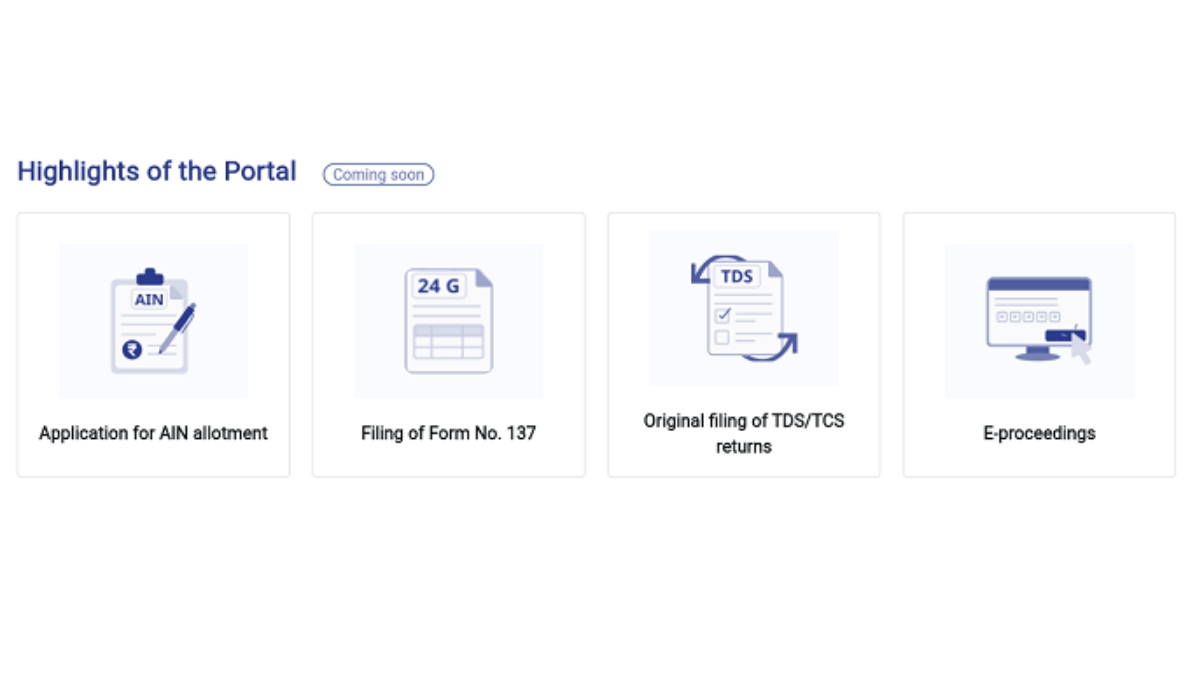
Once logged in, you will have access to your dashboard, where you can download certificates, monitor TDS credits, and make corrections as needed.
Although you may attempt to open the previous TRACES site, it will take you to the new one, and all users will be fine.
Notable Limit that You need to know
Among the updates are that TRACES 2.0 cannot be used by property buyers to deposit TDS. It implies that those who engage in property transactions have to use other procedures to pay the TDS.
It is also a good practice that taxpayers should follow to keep checking their dashboard and they choose the right tax year and correct any errors in the given correction period to prevent any complications.
Significant Deadlines of Income Tax FY 202627
Taxpayers are concerned about ITR filing dates, whereas many additional dates are important during the financial year. Absence of these may attract penalties.
The month of April is the start of compliance. This is the period that TDS certificates are issued, Form 15G/15H is filed and March TDS/TCS filings are made. May is significant for depositing April TDS and annual financial transactions. June is important since the first installment of the tax has to be paid by June 15.
One of the deadlines is July 31, particularly to individuals on salaries and non-audit taxpayers. Income tax returns are to be filed, and clearance of any outstanding tax dues should be done by this date. The second installment of the tax is due September 15, which is 45 percent of the total tax liability. October 31 is applicable to audited taxpayers, and they are required to submit their returns before this date.
The deadline to submit transfer pricing reports is November 30. There are two important deadlines in December. The penalties are that by December 15, taxpayers are required to make the third installment of tax (not exceeding 75%), and by December 31, late or amended returns must be submitted.
Income Tax Update Quick Summary
| Timeline | Key Compliance Requirement |
|---|---|
| April | TDS certificates, Form 15G/15H, March filings |
| May | April TDS deposit, financial transaction reporting |
| June 15 | First advance tax installment |
| July 31 | ITR filing (non-audit cases) |
| September 15 | Second advance tax installment (45%) |
| October 31 | ITR filing (audit cases) |
| November 30 | Transfer pricing report submission |
| December 15 | Third advance tax installment (75%) |
| December 31 | Late/revised ITR filing |
Frequently Asked Questions
1. What is TRACES 2.0?
TRACES 2.0 is employed in the management of TDS and TCS activities such as downloading certificates, tracking credits and correction.
2. Does the old TRACES portal exist?
No, the old portal will automatically redirect the users to the new TRACES 2.0 system.
3. Are property buyers allowed to utilise TRACES 2.0?
No, this portal cannot be used by property buyers to deposit TDS in case of property transactions.
4. When is the due date to file ITR in FY 202627?
The non-audit taxpayers have a deadline of July 31, and audited cases have a deadline of October 31.
5. So what is the significance of advance tax?
Advance tax assists taxpayers in paying their liability in instalment without interest and penalties.
The TRACES 2.0 portal is a great initiative towards streamlining the Indian tax regime. Nevertheless, merely being able to access superior tools is not sufficient. Constant tracking, timely adherence and deadline awareness are equally vital. When applied well, this platform could assist the taxpayers to remain in compliance, elude fines, and manage their taxes with confidence during the financial year.
Also Read: EPFO 3.0: A New Beginning for Provident Fund Services in India